
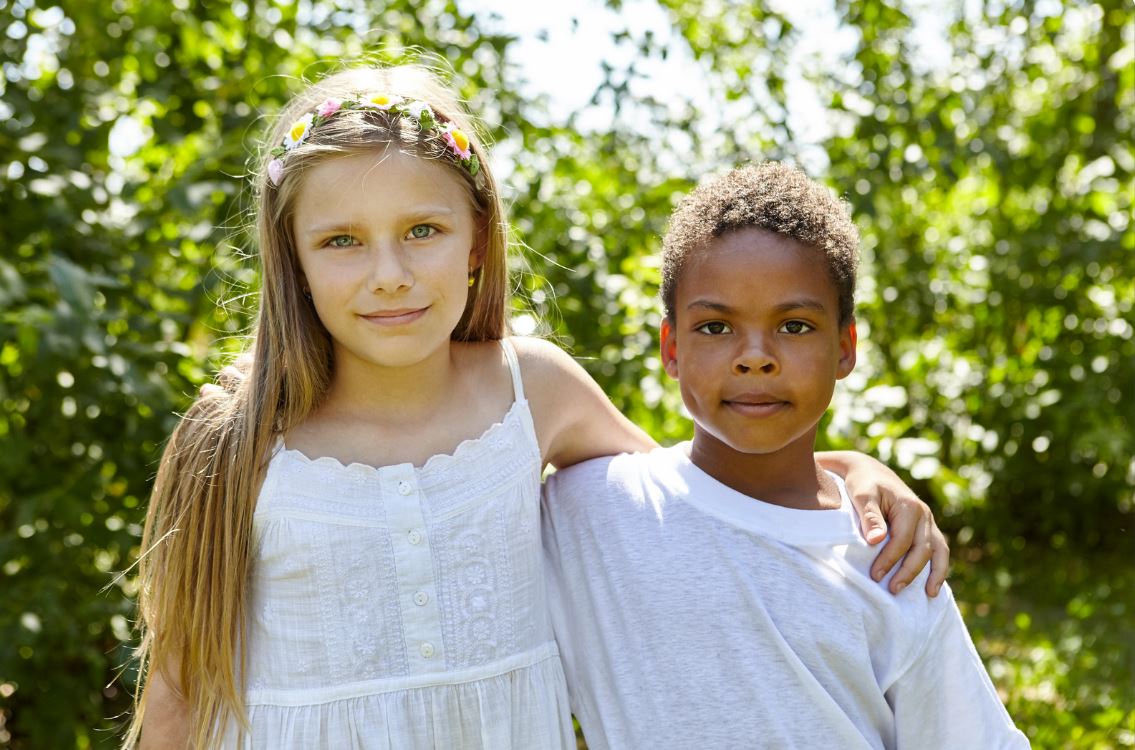
Becoming a stepparent is not a contest to get a child on your side. It is the beginning of a relationship that needs time, consistency and respect. A child can be uncertain about a new household without rejecting you as a person.
Start with a smaller goal than instant closeness
A shared meal, a civil conversation or knowing that a promise will be kept can be meaningful progress. You do not need immediate affection, a parental title or a photograph that looks like a perfectly blended family.
Family changes can involve divorce, bereavement or other transitions. Do not assume every child has the same story or feels the same way about it.
Offer time together without making it a test
Invite the child to something based on an actual interest: helping prepare a snack, choosing a film or showing you a game. Keep the invitation low pressure and accept a polite refusal.
The American Academy of Pediatrics’ advice for stepparents suggests building bridges through shared interests and treating children respectfully. A routine invitation can matter more than a large gift meant to win approval.
Leave room for existing family bonds
A child should not have to choose emotional loyalty between adults. Avoid criticizing another parent in front of them or using them to carry messages about adult disagreements.
Make room for time with their parent and respect personal belongings and space. The AAP’s stepfamily guidance discusses these needs, along with gradually developing household roles.
Agree on adult roles away from the child
Talk with your partner about routines, rules and who handles difficult conversations. In a new stepfamily, the child’s established parent should generally lead discipline while the stepparent develops a supportive relationship. Avoid announcing a complete new set of rules on arrival.
Expect basic respectful behavior without requiring affection. “We do not insult each other” is different from “You must love me.” Adults should model the standard they ask for and acknowledge their own mistakes.
A response that leaves room for feelings
“I understand this change may not feel easy. You do not have to feel close to me right away. I do want us to speak respectfully, and I am willing to listen.”
Do not force names, hugs or a particular role
Use a name the child is comfortable with. Do not make “Mom” or “Dad” a reward for acceptance, and do not require physical affection to reassure an adult. Connection can grow in more than one form.
The same principle applies to grown stepchildren: offer respect and realistic invitations without demanding a replacement parent-child relationship.
Look after the adults’ relationship too
Discuss concerns directly with your partner rather than blaming the child for strain between adults. Make a plan for practical responsibilities and time to rest. A family counselor can help when conflict persists or roles are difficult to negotiate.
For broader ideas about communication and mutual care, see finding healthier relationships. A stepfamily does not need to become close on a schedule; aim for a home in which people can feel heard and treated fairly.
‘Don’t Force Them to Call You Mom or Dad’ is such an important point! Children should never feel pressured into calling someone by those titles unless they want to. That’s just asking for resentment!
While I appreciate the sentiment behind this post, it oversimplifies a very complex situation. Every family dynamic is different, and not all step-parents have the luxury of time or patience to wait for acceptance. It’s a challenging role, and sometimes advice just doesn’t cut it.
I completely agree! It’s easy to say ‘give them time,’ but some kids may hold deep resentment that doesn’t fade easily. The emotional impact of divorce shouldn’t be underestimated.
‘Give them time’ sounds great in theory, but what if the step-parent is constantly treated poorly? It’s not always that simple, and some situations might require firmer boundaries.
‘Treat Them as Your Own’ seems idealistic at best. How can anyone genuinely expect to treat children who are not theirs as their own? There are limits to how much one can invest emotionally without reciprocation.
‘Respect Both Parents’ should be a given in any blended family situation! It’s crucial for harmony and helps children feel secure in their relationships with all parental figures involved.
‘Have Empathy’—what a novel idea! But let’s be real; empathy requires effort, and not every adult knows how to navigate a child’s complex feelings after divorce. This might not always work out as simply as it sounds.