
You do not need an empty mind, a cross-legged pose or a perfect room to meditate. Begin with a few comfortable minutes and one place to rest your attention. When thoughts appear, the practice is to notice and return—not to win an argument with your mind.
Decide what you want from the pause
Perhaps you want a quieter start to the morning, a moment of prayer or space before a reading. Keep that intention simple. A spiritual practice does not need to produce visions, messages or a dramatic emotional release to be worthwhile.
Meditation includes different approaches. The National Center for Complementary and Integrative Health describes practices using attention to breathing, sound, imagery or a repeated phrase, alongside mindfulness approaches focused on present awareness. Benefits vary, and meditation can sometimes bring difficult experiences.
Your first short session
- Choose a safe moment. Do not practice while driving or doing a task that needs your full attention. Set a gentle timer for a few minutes if useful.
- Get comfortable. Sit in a chair, stand with support or use another position that suits you. Keep your eyes open or softly lowered if you prefer.
- Pick one anchor. Notice the contact of your hands with your lap, an ordinary sound or your natural breathing. Do not force deep breaths or hold your breath.
- Return kindly. When you notice a thought, briefly acknowledge it and return to the anchor. You can do this many times.
- Finish deliberately. Notice the room, move comfortably and choose what comes next. No need to evaluate the session immediately.
Choose an anchor that fits you
Touch
Feel the support of a chair or the texture of a familiar object. Keep the sensation comfortable.
Sound
Notice ordinary sounds without needing to identify or follow every one. Keep any music at a comfortable volume.
Words
Use a simple phrase such as “Here, for this moment.” A prayer may suit your own faith.
Looking
Rest your eyes on a neutral object. This can be easier than closing them or focusing inward.
If breath awareness makes you uncomfortable, select another anchor. Adapting the exercise is not failure.
When your mind wanders
Planning dinner, remembering a conversation or noticing a worry does not ruin the session. Recognizing that you wandered is already a moment of awareness. Return without scolding yourself.
If you keep remembering an unfinished task, write one brief reminder before starting. For more troubleshooting, read what to do when your mind will not go quiet.
Build a routine you can actually keep
Attach the practice to an ordinary moment: after making tea, before opening a journal or after putting away your work. A few minutes may be enough to begin. Missed days do not erase previous practice, and you do not need to make them up with a longer session.
Try one approach for several sessions before deciding whether it suits you. Notice how it fits your day rather than tracking how long you can sit without thinking.
Adding spiritual meaning
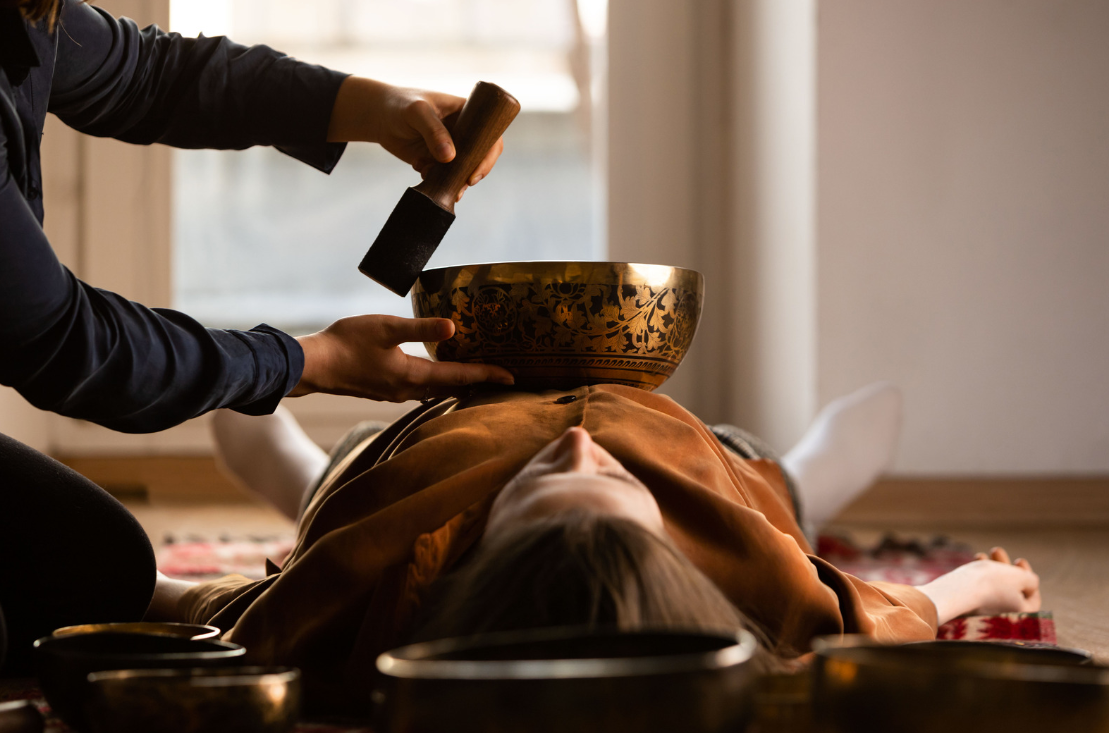
You might finish with gratitude, a prayer or a question for your journal. If you use chakra imagery, treat it as a symbolic focus rather than a way to diagnose your body. Singing bowls or gentle music can accompany a practice, but sound does not guarantee healing.
For a more specific spiritual intention, explore spirit-guide reflection. Keep the meditation itself simple enough that you can stop when you choose.
Know when to change course
If you become distressed, open your eyes, look around and stop. You can try a shorter, externally focused practice another time. Do not push through frightening memories or worsening symptoms to prove that the exercise is working. Seek qualified support when needed; meditation is not a replacement for appropriate care.
If sitting still does not suit the moment, choose a practical grounding activity instead.
Frequently asked questions
1. How long should I meditate as a beginner?
Start with a few comfortable minutes. Choose a length you can finish without straining, and adjust it as you learn what suits you.
2. Do I have to stop thinking?
No. Notice when attention wanders and gently return to your chosen anchor.
3. Must I sit cross-legged?
No. A chair, a supported standing position or another comfortable posture can work.
4. Can I keep my eyes open?
Yes. A softly focused gaze on a neutral object is a valid option.
5. What if focusing on breathing makes me anxious?
Choose another anchor, such as the support of a chair, an ordinary sound or something you can see. Stop if distress continues.
6. Do I need a mantra?
No. A repeated word or phrase is one option, not a requirement.
7. Is music necessary?
No. You can practice with ordinary background sounds. If you use music, keep the volume comfortable.
8. Do I need candles or crystals?
No. You may include meaningful objects, but meditation does not require purchases or special equipment.
9. When is the best time to practice?
Choose a safe time that fits your day. Consistency can be easier when you connect the practice with an existing routine.
10. What if I miss a day?
Resume when you can. There is no need to punish yourself or compensate with a longer session.
11. Can prayer be part of meditation?
Yes, if it fits your beliefs. You might use a brief prayer as an intention or close the practice with gratitude.
12. Are visions or spiritual messages required?
No. A quiet practice does not need unusual experiences to be meaningful.
13. Is falling asleep a problem?
It may simply mean you are tired. Choose another time or a more upright comfortable posture if you want to remain alert.
14. Can meditation replace mental-health treatment?
No. It may be one part of a personal routine, but continue appropriate care and discuss concerns with a qualified professional.
15. What should I do if meditation feels distressing?
Stop, open your eyes and orient yourself to the room. Seek appropriate support if distress persists or symptoms worsen.
Hey, if it helps someone enjoy their food more, why not?! Plus, who doesn’t love having options?
I find it hard to believe that sitting still can actually make a difference in our chaotic lives. This sounds like just another trend that people will forget about soon enough.
It’s all about finding what works for you! Some might need more than deep breaths—maybe a good workout instead!
‘Meditation’—the latest buzzword for ‘doing nothing.’ It’s funny how we’ve turned simple relaxation into an elaborate ritual with fancy names.
‘Lucid dreaming’ is fascinating! I’ve tried it before, and it’s such a unique experience to be aware in your dreams. The article gave me new ideas on how to enhance this practice!
‘Buddha Meditation’? Seriously? This just feels like cultural appropriation masked as self-care advice. We should be more respectful of the origins of these practices.
Or maybe we’re all just overthinking it? Sometimes doing nothing really is harder than it sounds!
I agree! It’s amazing how such simple practices can lead to profound changes in our lives. Meditation really does open up a whole new world of self-awareness.
While I appreciate the information, it seems a bit vague. More specifics on how to start would be helpful!